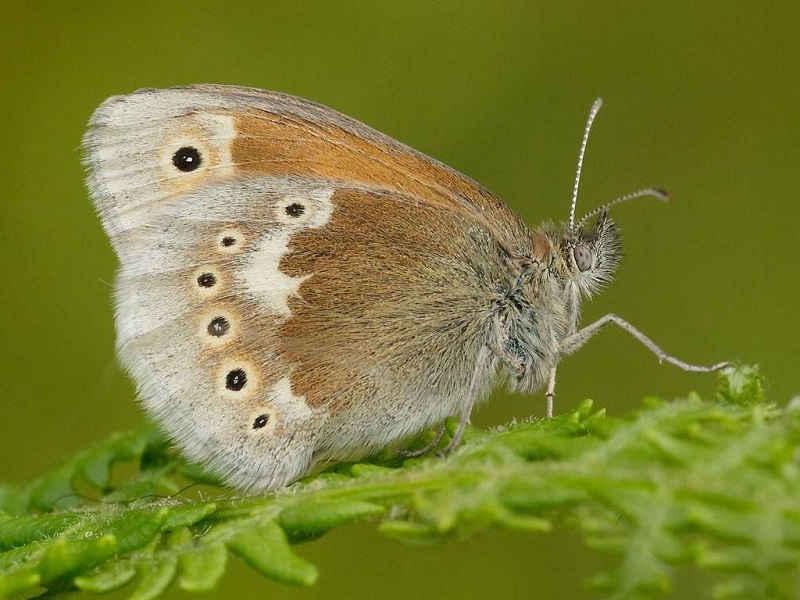
Exploring the Diverse Wildlife of the United Kingdom
The United Kingdom, with its rich and varied landscapes, is home to a stunning array of wildlife. From bustling urban areas to serene rural landscapes, the UK offers a diverse range of habitats that support a wide variety of species. This blog will explore some of the most iconic and fascinating wildlife that can be found across the UK, highlighting key species, habitats, and conservation efforts.
Introduction to UK Wildlife
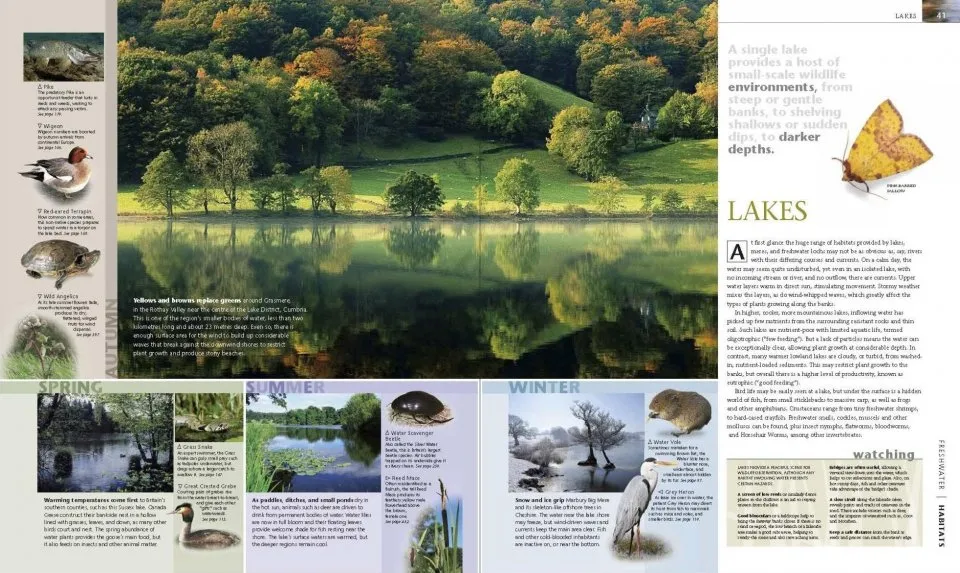
The UK’s wildlife is a testament to its diverse ecosystems. Despite its relatively small size, the UK boasts a wide range of habitats including woodlands, wetlands, moorlands, and coastal regions. Each of these habitats supports unique flora and fauna, making the UK a significant region for biodiversity.
Key Habitats
- Woodlands: Home to a variety of birds, mammals, and insects, UK woodlands are crucial for biodiversity. Notable species include the red squirrel, roe deer, and numerous bird species like the woodpecker and tawny owl.
- Wetlands: These areas are vital for birdlife, including migratory species. Wetlands such as the Norfolk Broads support species like the bittern, otter, and a variety of amphibians.
- Moorlands and Heathlands: These open landscapes are characterized by heather and gorse and are home to species like the red grouse and the adder.
- Coastal Regions: The UK’s extensive coastline supports diverse marine and bird life, including seals, puffins, and various seabirds.
Iconic UK Wildlife Species
Mammals
1. Red Squirrel (Sciurus vulgaris)
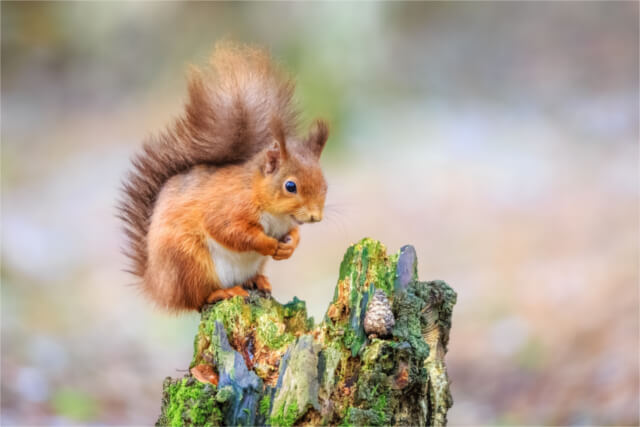
The red squirrel is one of the UK’s most beloved mammals. Unlike its grey counterpart, which is more common, the red squirrel is native to the UK and has seen significant declines due to habitat loss and competition from the introduced grey squirrel.
- Habitat: Prefers coniferous forests, but can also be found in broadleaf woodlands.
- Conservation Status: Protected by law, with numerous conservation efforts aimed at habitat restoration and grey squirrel control.
2. European Badger (Meles meles)
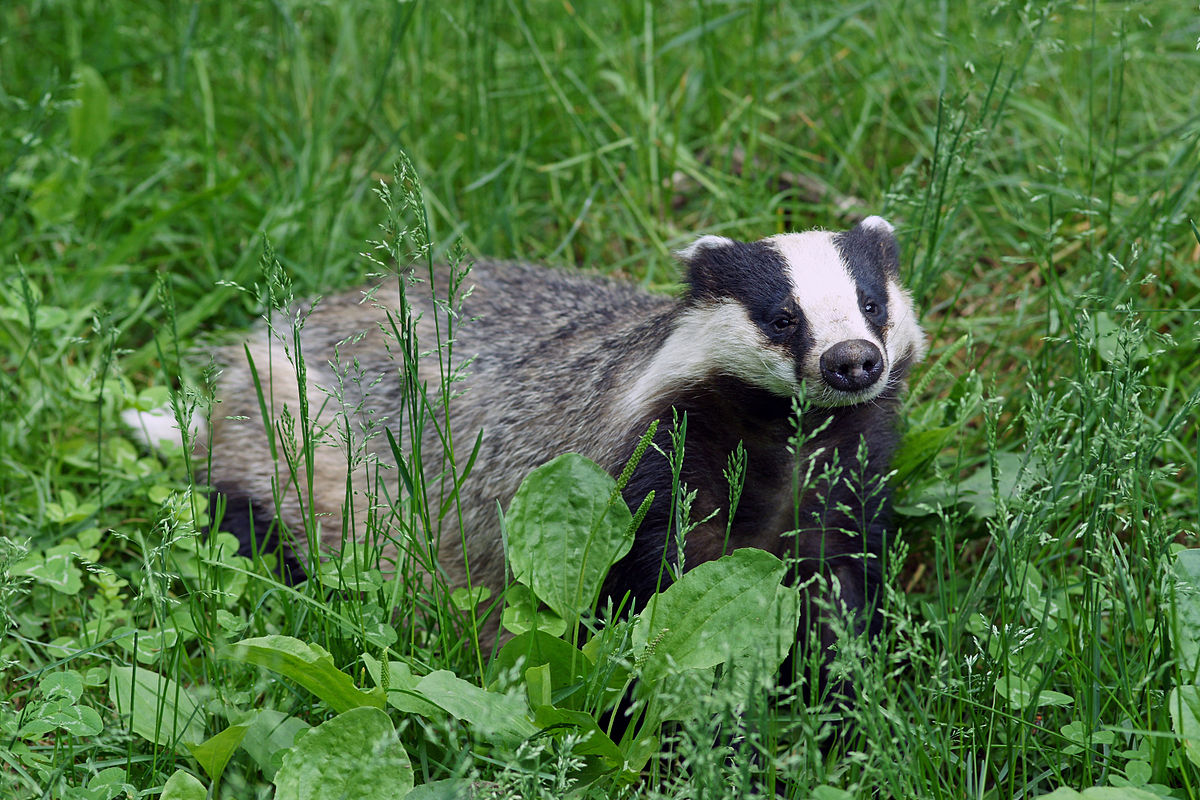
Badgers are nocturnal creatures known for their distinctive black and white striped faces. They live in social groups and dig extensive burrow systems called setts.
- Habitat: Woodlands, hedgerows, and grasslands.
- Conservation Status: Protected under the Protection of Badgers Act 1992, although controversial culling programs have been implemented to control bovine tuberculosis.
3. European Hedgehog (Erinaceus europaeus)
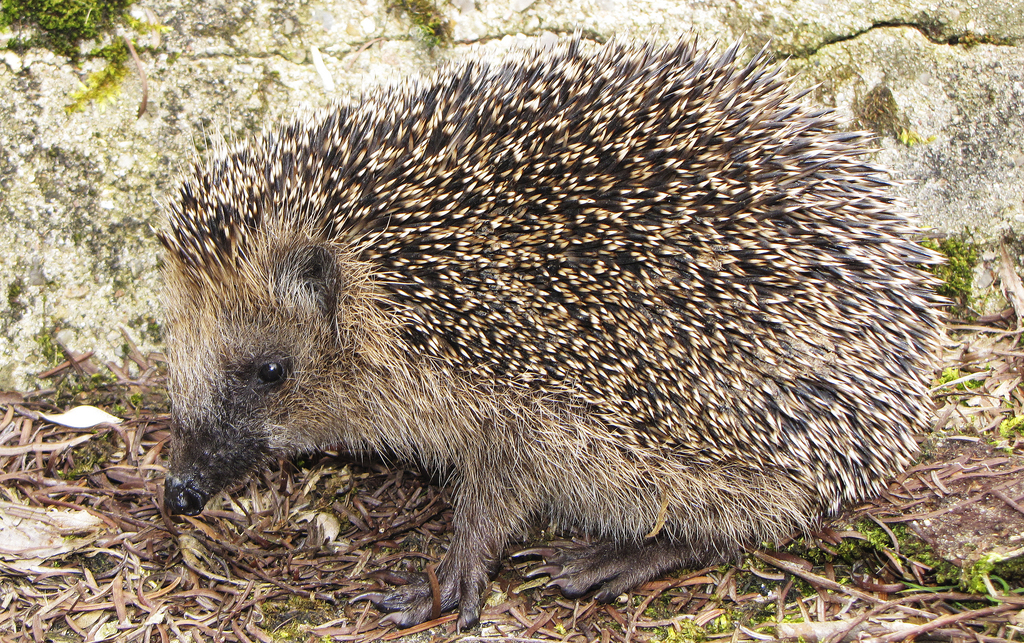
Hedgehogs are a familiar sight in gardens and parks. These nocturnal animals are known for their spiny coats and are crucial for controlling insect populations.
- Habitat: Urban gardens, parks, and rural hedgerows.
- Conservation Status: Declining in numbers due to habitat loss and road mortality. Conservation efforts focus on creating hedgehog-friendly environments.
Birds
4. Puffin (Fratercula arctica)
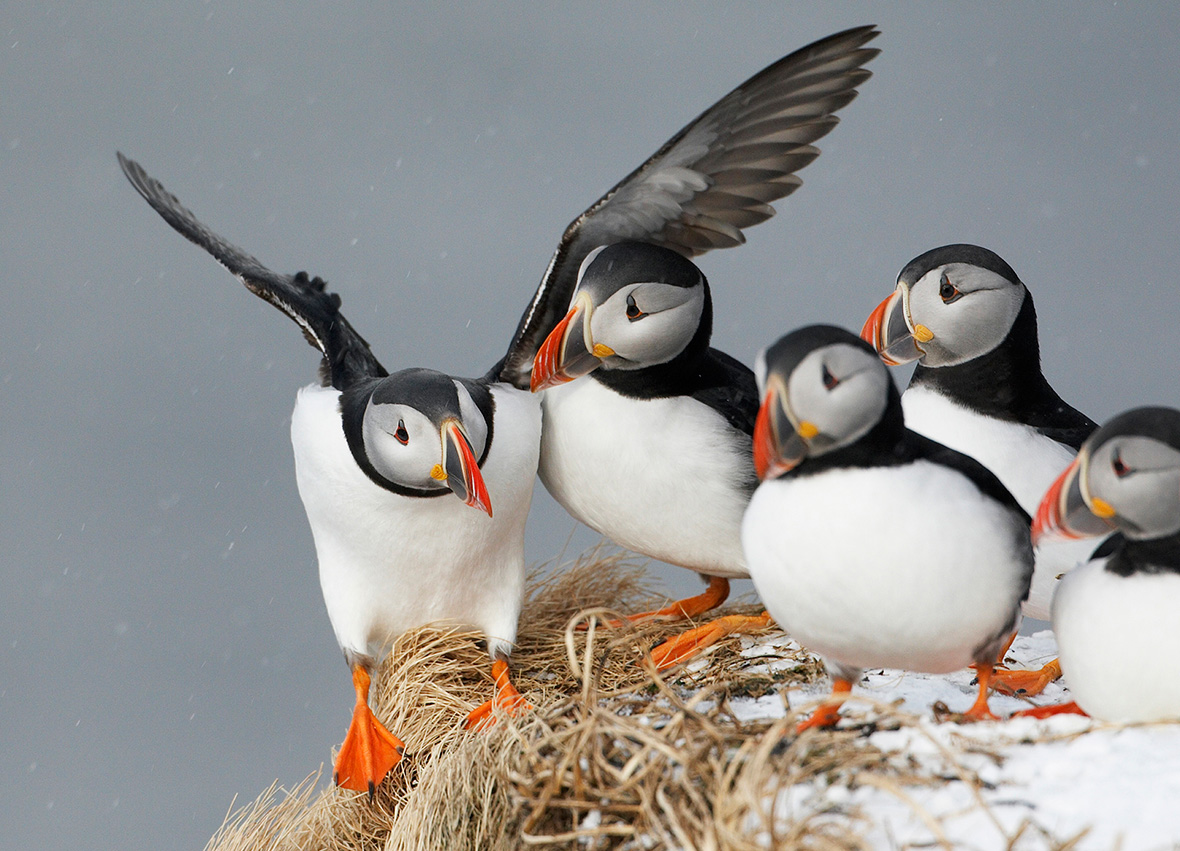
Puffins are charismatic seabirds known for their colorful beaks and distinctive black and white plumage. They are often seen on coastal cliffs during the breeding season.
- Habitat: Coastal cliffs and islands.
- Conservation Status: Vulnerable due to changes in fish populations and climate change. Conservation efforts include monitoring populations and protecting breeding sites.
5. Barn Owl (Tyto alba)
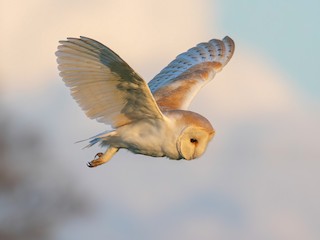
The barn owl is easily recognizable by its heart-shaped face and ghostly white appearance. These nocturnal birds are skilled hunters, preying on small mammals.
- Habitat: Open countryside, farmlands, and meadows.
- Conservation Status: Declining due to habitat loss and rodenticides. Conservation measures include providing nest boxes and managing habitats.
6. Red Kite (Milvus milvus)
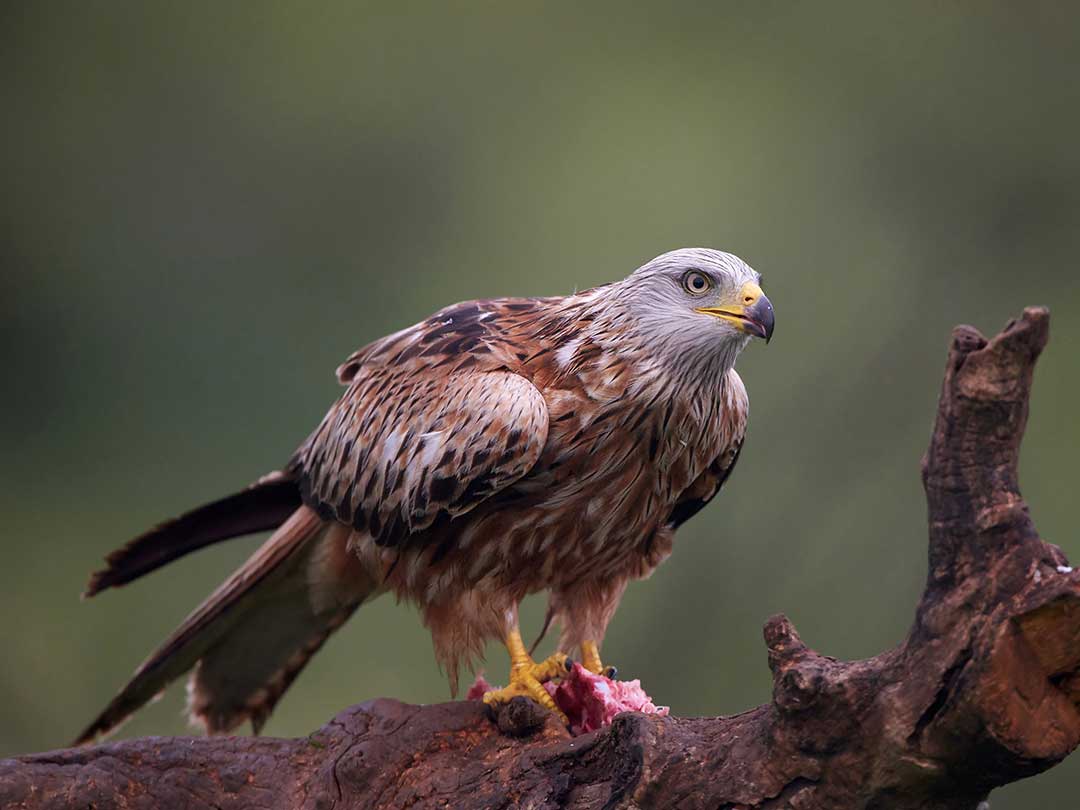
Once near extinction in the UK, red kites have made a remarkable recovery. These birds of prey are known for their distinctive forked tails and graceful flight.
- Habitat: Woodland edges, farmland, and open countryside.
- Conservation Status: Successful reintroduction programs have led to a significant increase in their population.
Amphibians and Reptiles
7. Great Crested Newt (Triturus cristatus)
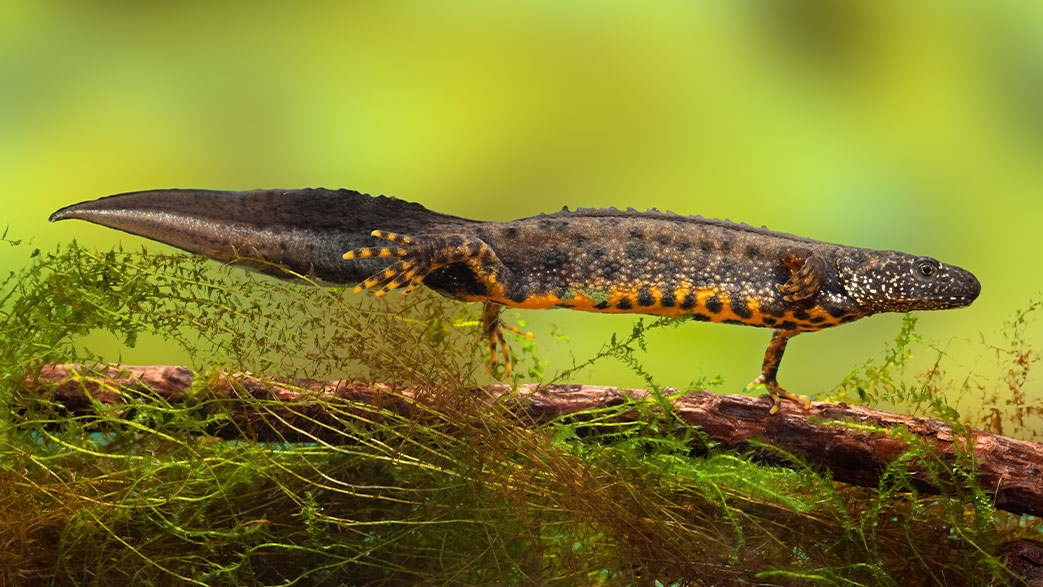
The great crested newt is the largest newt species in the UK and is known for its warty skin and distinctive orange belly with black spots.
- Habitat: Ponds, wetlands, and surrounding terrestrial habitats.
- Conservation Status: Protected under UK and European law. Conservation efforts focus on protecting breeding sites and managing habitats.
8. Adder (Vipera berus)
The adder is the UK’s only venomous snake. It is identifiable by the dark zigzag pattern along its back.
- Habitat: Heathlands, moorlands, and woodland edges.
- Conservation Status: Generally stable, but locally threatened by habitat loss and human disturbance.
Marine Life
9. Atlantic Grey Seal (Halichoerus grypus)
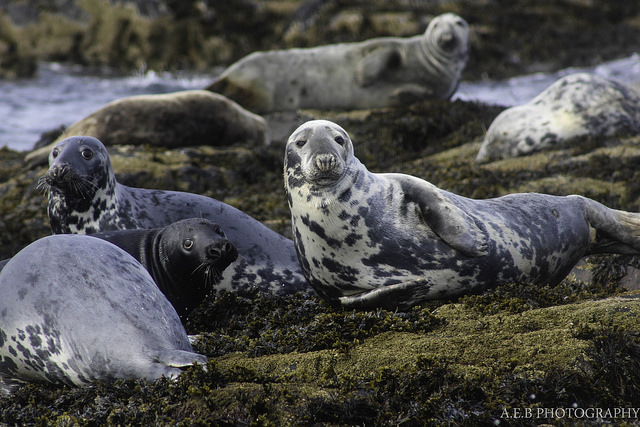
Grey seals are one of the largest seal species and are commonly seen around the UK’s coastline. They have a distinctive long snout and can be seen basking on rocks and beaches.
- Habitat: Coastal waters, often seen hauled out on beaches and rocks.
- Conservation Status: Protected, with stable populations. Key threats include pollution and entanglement in fishing gear.
10. Harbour Porpoise (Phocoena phocoena)
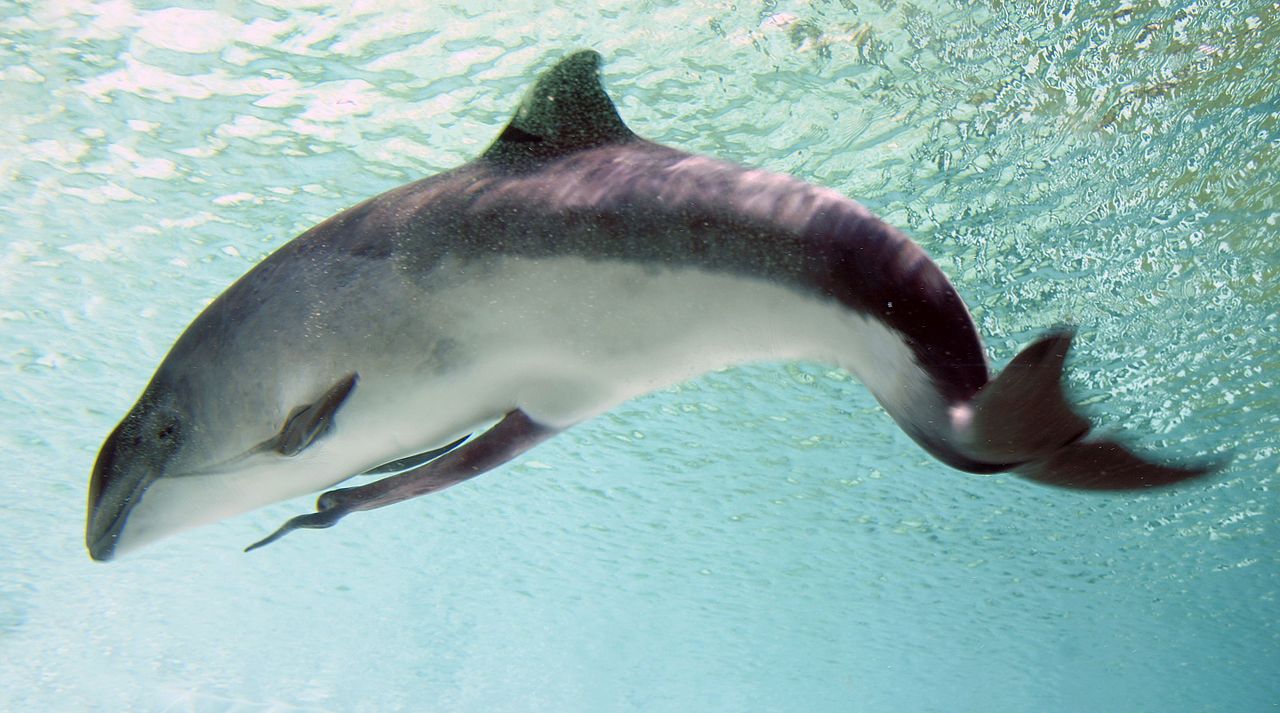
Harbor porpoises are small cetaceans commonly found in UK waters. They are shy and often seen in shallow coastal areas.
- Habitat: Coastal and estuarine waters.
- Conservation Status: Protected, but populations are affected by bycatch and noise pollution.
Conservation Efforts and Challenges
Habitat Protection
One of the primary ways to conserve wildlife is through habitat protection. Organizations like the RSPB (Royal Society for the Protection of Birds) and the Wildlife Trusts manage numerous nature reserves across the UK, providing safe havens for various species. These reserves are vital for breeding, feeding, and sheltering wildlife.
Legislation
The UK has several laws aimed at protecting wildlife, including the Wildlife and Countryside Act 1981 and the Conservation of Habitats and Species Regulations 2017. These laws provide legal protection to endangered species and habitats, making it illegal to harm or disturb them.
Public Engagement
Public engagement and education are crucial for wildlife conservation. Programs and campaigns aimed at raising awareness about the importance of biodiversity and how individuals can help are essential. Initiatives like the Big Garden Birdwatch encourage people to contribute to citizen science by recording bird sightings in their gardens.
Challenges
Despite these efforts, UK wildlife faces several challenges
- Habitat Loss: Urbanization, agriculture, and infrastructure development continue to threaten natural habitats.
- Climate Change: Changing weather patterns and temperatures affect food availability, breeding cycles, and migration patterns.
- Pollution: Pollution from plastic, chemicals, and noise impacts marine and terrestrial wildlife.
- Invasive Species: Non-native species can outcompete, prey on, or bring diseases to native wildlife.
How You Can Help
Individuals can play a significant role in wildlife conservation. Here are some ways you can contribute:
- Create Wildlife-Friendly Gardens: Plant native species, create ponds, and provide habitats like bird boxes and hedgehog houses.
- Support Conservation Organizations: Donate to or volunteer with organizations like the RSPB, Wildlife Trusts, or WWF-UK.
- Reduce Plastic Use: Minimize the use of single-use plastics and participate in local clean-up events.
- Report Wildlife Sightings: Participate in citizen science projects and report sightings of wildlife to help with monitoring and conservation efforts.
Conclusion
The wildlife of the United Kingdom is rich and diverse, offering endless opportunities for exploration and appreciation. From the majestic red kite soaring above the countryside to the shy hedgehog rustling in your garden, the UK's wildlife is a treasure that needs protection and conservation. By understanding the habitats, species, and challenges they face, we can all contribute to ensuring that future generations can enjoy the same natural wonders that we do today. Let’s take action to preserve and protect the incredible biodiversity that the UK has to offer.